How to Recycle eScrap: The Process
Gathering eScrap is akin to the modern-day equivalent of collecting aluminum cans and trading them for cash. eScrap encompasses an array of outdated electronic devices that are ripe for disposal. Recycling services such as Interco are eager to procure your used gadgets, ensuring their proper disposal and the reclamation of valuable materials.
To prepare these materials for reuse, it is imperative to familiarize oneself with the eScrap recycling process.
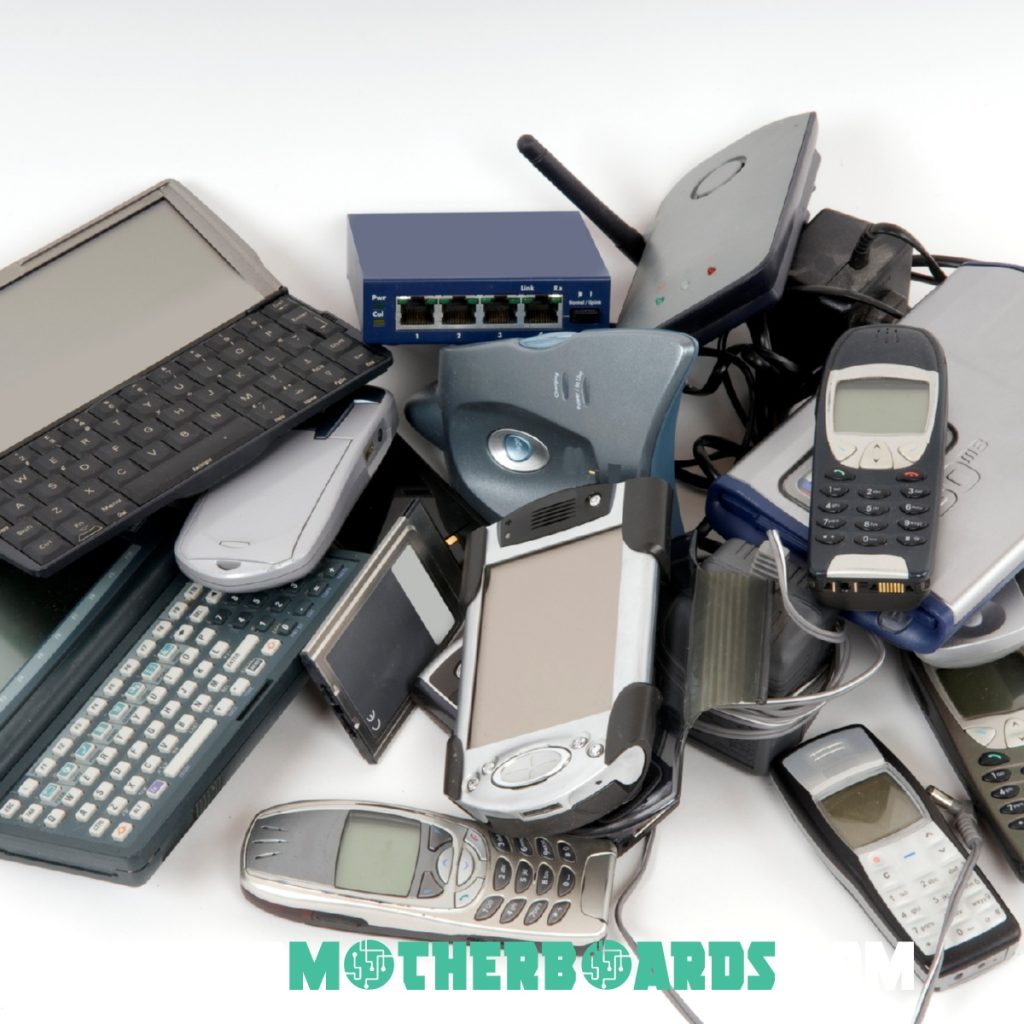
The eScrap Recycling Process
The process of recycling eScrap consists of:
- First, physically collecting and buying eScrap from people’s homes.
- Next, sorting the material into categories for the manufacturing process.
- Then, testing the material to see if it is reusable.
- Subsequently, disintegrating the electronics into their different parts. Computer and electronics recycling companies further separate the components into ferrous and non-ferrous metals as well as cathode ray tubes.
- Furthermore, removing data from memory cards and destroying the hard drives to erase previous data.
- After erasing the previous data, shredding the materials into a composite and passing through the debris to recover valuable components.
- Lastly, sending different types of materials to secondary recyclers to reuse.
Since the eScrap recycling process has been discussed, it is crucial to learn about the different eScrap components.
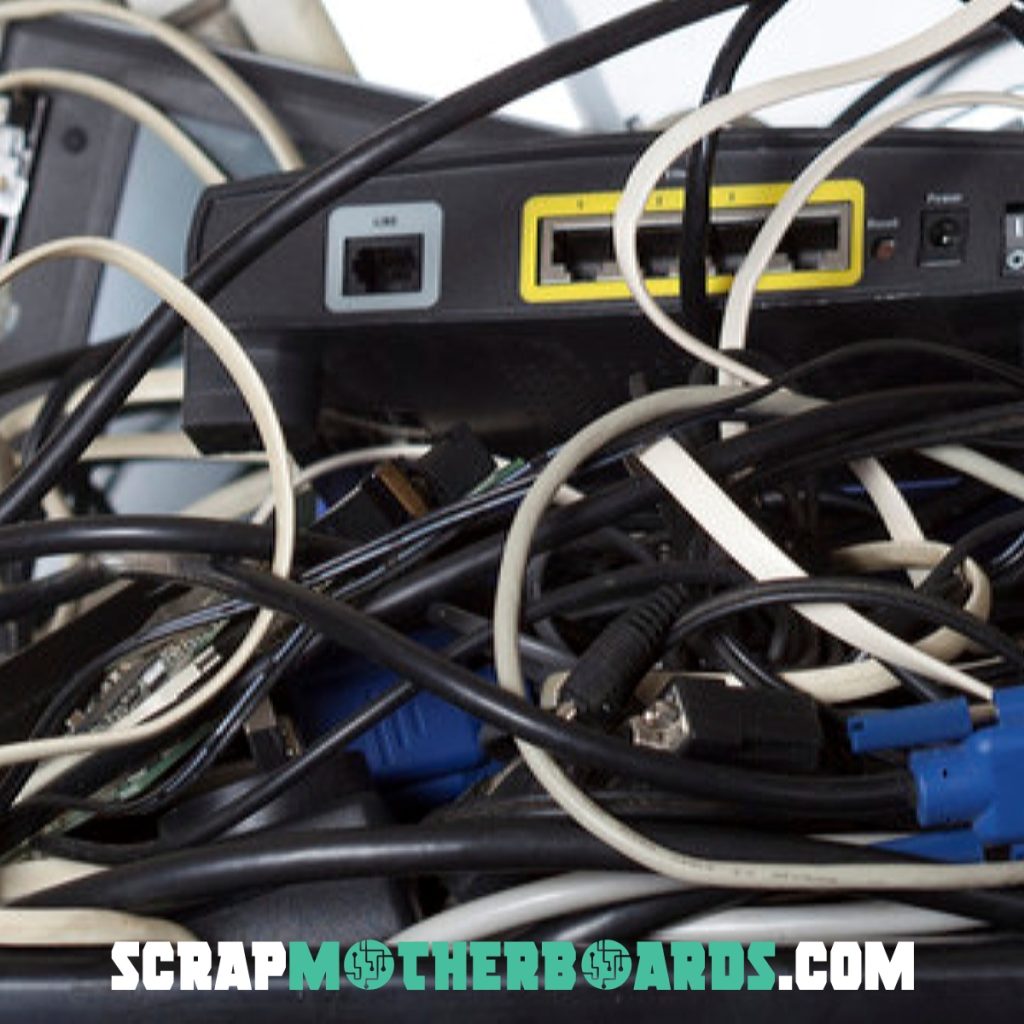
eScrap Components
Components are the pieces that go into the construction of a computer. Some of these include:
- Adapters
- CD ROM
- Floppy drives
- Fans
- Hard drives
- Keyboards
- Docking stations
- Printers
- Copiers
- Fax machines
- Modems
- Routers
- Switches
- Transformers
- Ethernet cables
- Heat sinks
These are only a couple of examples of eScrap components. Batteries, boards, precious metals and entire units can also be eScrap.
So, why is eScrap recycling important?
The Importance of Recycling eScrap
In this period of technology, advancements are continually being made. Therefore, with more advancements comes more technology which renders more established products outdated. This prompts more eScrap being produced. eScrap recycling…
- Reduces environmental pollution
- Provides raw materials for industries
- Acts as a source of funds
Recycling eScrap allows for its materials to be reusable rather than creating toxic waste in landfills causing pollution. In addition, some reusable materials eScrap provides include cadmium, mercury, silicon, ferrous and nonferrous metals. Furthermore, recyclers will pay for eScrap materials while no profit is made by simply throwing out eScrap.
Additionally, the positive environmental impacts of eScrap recycling have caught worldwide attention. Additionally, different states have even implemented recycling programs. The field of eScrap recycling is only growing as more technological advances happen.
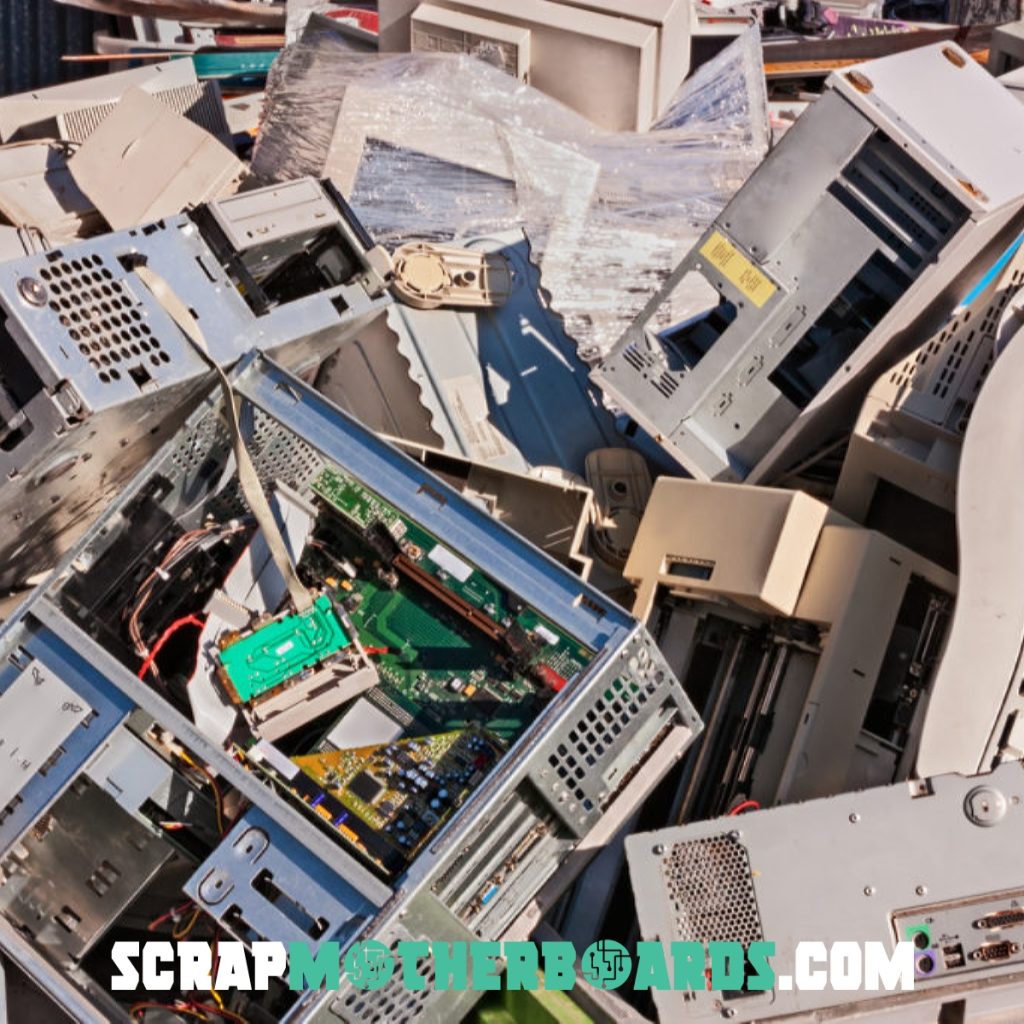
Conclusion
Overall, technology is for use for basic aspects of everyday life. So, as more tasks move to online platforms, it will create more eScrap. Fortunately, eScrap has valuable and reusable materials that can be recycled. Some components of eScrap include adapters, keyboards, hard drives and more. Instead of wasting these critical materials, Interco will purchase them with the goal that they can be recycled appropriately. eScrap recycling decreases environmental pollution, provides raw materials for industries and acts as a source of funds.
To learn more about recycling eScrap, click here to get in touch with Interco.
Tags: tag1, tag2, tag3